
Orlando Bloom’s Dyslexia: How It Became His Advantage
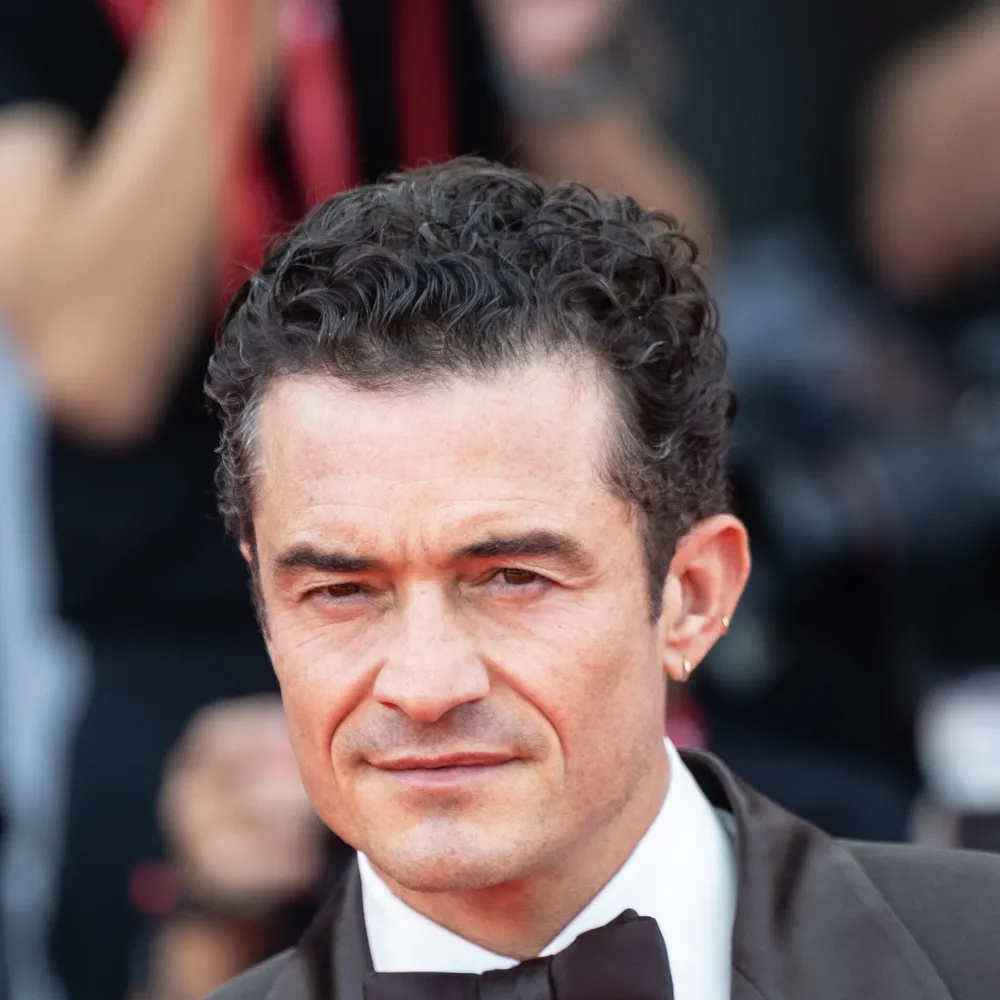

Orlando Bloom is the actor who played Legolas in The Lord of the Rings and Will Turner in Pirates of the Caribbean.
He was diagnosed with dyslexia at seven. He has talked about it openly for years, mostly with the Child Mind Institute.
His mother had a line for it. She called dyslexia a gift and a bit of a cross to bear. He seems to agree with both halves.
School and the hard part
Bloom has said school was very hard work. There were extra classes and a lot of frustration. He hid his dyslexia from the other kids.
One school report said he would probably turn out to be a bright boy, if he would stop staring out the window or into the hamster cage.
He has said the struggle made him feel stupid, and at times it made him angry. Reading out loud was the worst part. He made up excuses to get out of it. He has said the nerves alone made him skip words and whole lines.
His mother tried bribes. She offered him a motorbike if he read 50 books. He never got to 50, and he only got a motorbike once he could pay for it himself. She also offered five pounds for learning a poem.
When he found out
Bloom was tested at seven. He remembers the test as fun, with puzzles, coloring and charts to mark.
Afterward his mother told him his IQ was high, but reading and spelling would be hard for him. So from early on he had two facts to hold on to. School was going to be tough, and he was not stupid.
Orlando Bloom’s dyslexic advantage
Bloom links dyslexia to creative thinking, and he says creativity is what got him through school.
“With dyslexia comes a very great gift.”
Orlando Bloom, Child Mind Institute interview
He found the stage early. In school plays he took character parts, and he has said he was more focused on stage than anywhere else.
Then came three years of drama school in London, where he finally got comfortable reading aloud. One teacher, a Russian director, told the class to learn the thoughts behind a speech and forget the exact text. That clicked for him.
The biggest strength he names is preparation. Because reading on the spot is risky for him, he learns everything before he walks into an audition. He has said he learns his lines forward, backward and inside out. He goes over them at night and again in the morning.
He describes himself as a dog with a bone. It worked. He graduated in 1999 and was cast as Legolas soon after.
He is honest that it has not gone away. In 2010 he said he had recently fumbled an audition. In April 2026 he was back on the Child Mind Institute’s Thriving Kids podcast, talking about school and the workarounds he built for himself.
His advice to dyslexic kids is to never think they are stupid or not good enough.
What we take from it
We like the hamster cage report more than we should. Plenty of us were that kid, and it is good to know the kid turned out fine.
We also like that his big advantage is not magic. He prepares more than anyone else in the room, because he has to. That habit took him a long way.
Sources
- Orlando Bloom on Dyslexia, Child Mind Institute
- Orlando Bloom Reveals Struggle With Dyslexia, NBC Bay Area
- Orlando Bloom on Living and Succeeding With Dyslexia, Learning Disabilities Resources Foundation
- Orlando Bloom on Growing Up With Dyslexia, Thriving Kids podcast from the Child Mind Institute
- Celebrity Quotes: Learning From Challenges, Understood.org