
Octavia Spencer’s Dyslexia: How It Became Her Advantage
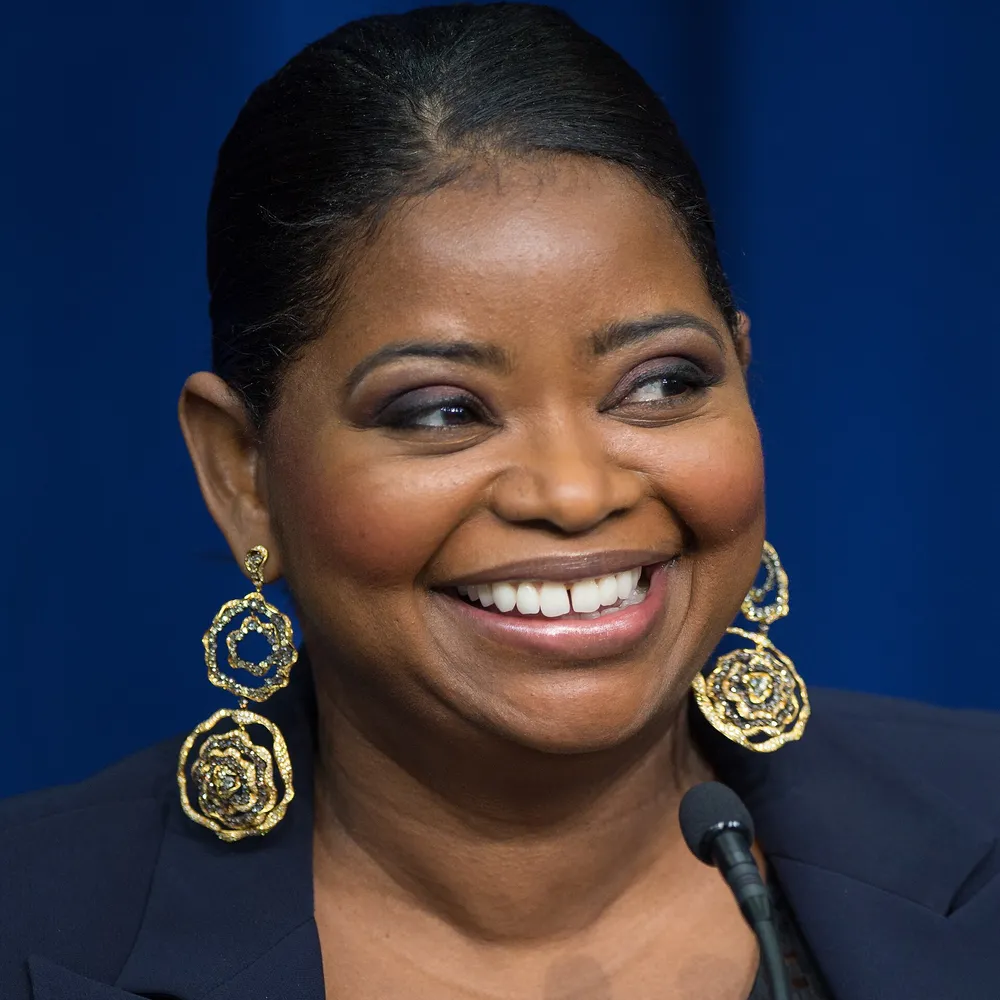

Octavia Spencer won an Oscar for The Help. She was nominated twice more, for Hidden Figures and The Shape of Water. She also produces film and TV, and she has written two mystery novels for kids.
She has said plainly that she is dyslexic, as a child and as an adult.
What stands out in her story is that she talks about it as a different way of thinking. She does not treat it as something to hide.
School and the hard part
Spencer grew up in Montgomery, Alabama. She was one of seven children raised by a single mother.
Reading aloud was the worst part. She has said that in first or second grade she was terrified of it. She kept flipping words around and dropping words.
Paragraphs got jumbled, and she had to read them again and again. After a while she lost interest in reading.
A teacher changed that by pointing her to mystery stories. The teacher told her to pay attention to everything, because she could not know what might be a clue. Spencer got hooked on the Encyclopedia Brown books. She has told students that those books are the reason she reads today.
When she found out
We could not find a source that gives the age she was diagnosed, so we will not make one up.
What she has said is that as a small child she did not know her reading trouble was a learning disability. Her teachers in the Montgomery public schools noticed and helped her work around it. They also spotted what she was good at.
She was tested for the school’s gifted program. She has said that was because she learned better by ear than by eye.
“I was a dyslexic child and am a dyslexic adult.”
Octavia Spencer, interview with WENN, 2017
She adds that this does not mean a person is not intelligent. It means the brain works differently.
Octavia Spencer’s dyslexic advantage
In that 2017 interview Spencer said dyslexia gave her an edge growing up. She was specific about how.
Puzzles. She said she could solve them faster than most kids. With mazes, she started at the end and worked back to the start. She was done in about 30 seconds.
Deductive reasoning. Mysteries trained her to gather clues and work out the answer. She has called herself a puzzle person, and she has described producing as a kind of puzzle solving.
Noticing everything. That teacher’s advice stuck. She told AARP that watching for clues is how her brain handles information now. That is a useful habit for an actor who studies people.
Writing the books she needed. Her two Randi Rhodes, Ninja Detective novels came out in 2013 and 2015. They are mysteries for middle grade readers, full of codes and clues.
She is honest that it is still work. She has said the fear of reading aloud never fully left, even when she recorded her own audiobook. TV scripts come fast, and they take her longer to read.
She has thanked her teachers many times. She has also said teachers should be paid as much as athletes.
What we take from it
We like that a kid who dreaded reading aloud grew up to write mysteries and win an Oscar. We also like that she solved mazes backwards. Nobody said you had to start at the start.
Most of all, we notice the teacher who handed her the right book. One good teacher changed what came next.
Sources
- Celebrity spotlight: Dyslexia can’t stop Octavia Spencer’s success, Understood.org
- Octavia Spencer on being an adult with dyslexia, Refinery29
- Octavia Spencer interview, AARP
- Octavia Spencer speaks out about growing up with dyslexia, Yale Center for Dyslexia and Creativity
- Octavia Spencer: Her Real Life Battle With Dyslexia, BlackDoctor
- Octavia Spencer, Wikipedia (awards, education and book dates)