
Muhammad Ali and Dyslexia: Hard to Read, Born to Talk
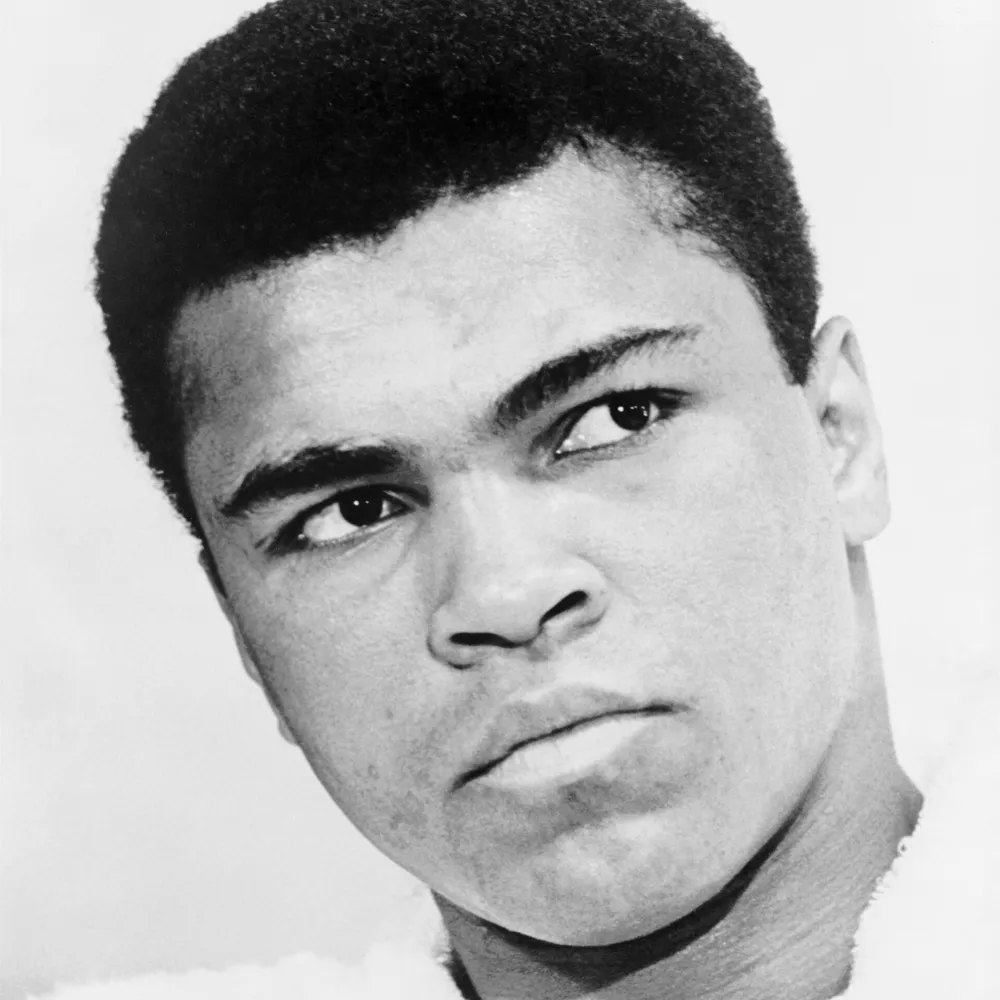

Muhammad Ali was one of the most famous athletes who ever lived. He won Olympic gold in boxing at 18. He was heavyweight champion of the world at 22.
He was just as famous for his mouth. Before fights he recited poems that told everyone how he was going to win. Reporters called him boxing’s poet laureate.
What fewer people knew is that the printed word was hard for him. Ali died in 2016, and his reading story is still worth telling.
School and the hard part
Ali grew up in Louisville, Kentucky, under his birth name, Cassius Clay. School did not go well for him.
He later said he could barely read his high school textbooks. He still graduated, but only just. CBS News reported that he finished 376th in a class of 391.
His biographer Jonathan Eig told NPR that Ali learned to read very late and never read very well.
None of that tells you how smart he was. It tells you the page did not work for him the way it worked for other kids.
When he found out
Here we have to be careful. We could not find any record of a formal diagnosis, or of an age when someone told him he was dyslexic.
In 2006, CBS News and the Associated Press both described him as dyslexic. The AP said he had to overcome dyslexia as a child to learn to read and write.
The people closest to the story use softer words. According to his wife, Lonnie Ali, young Cassius struggled to read the printed word, probably because of dyslexia. Eig also wrote that he was probably dyslexic.
So the honest version is this. Ali had real trouble with reading, and the people who knew him best believed dyslexia was the reason. Some websites say he was diagnosed, but they give no details.
Muhammad Ali’s dyslexic advantage
Ali never gave a speech about a dyslexic advantage. But look at where his strengths were.
- The spoken word. Reading was hard, but talking was his stage. He made up rhymes and poems, and used them to predict his own wins before a fight.
- Belief in himself. Poor grades did not shake him. Lonnie Ali shared the line he used when people brought up his school record.
- Reading people, maybe. Eig spoke to doctors who thought his late reading may have sharpened how he read movement. That could help explain how he slipped punches so well. It is a theory, not a proven fact.
“I never said I was the smartest, I said I was the greatest.”
Muhammad Ali, as told by Lonnie Ali to CBS News, 2006
Later in life he turned the struggle into something useful. In 2006 he and Lonnie worked with the publisher Scholastic on a reading program called Go the Distance.
It was a set of books and magazines picked for kids in grades 3 to 8 who felt reading was not for them. The books were chosen to build confidence and determination. One of them told Ali’s own story.
Lonnie Ali said at the time that reading is the base of all education. The man who hated reading as a boy spent his later years helping other kids get into it.
What we take from it
Ali barely made it out of high school and still became one of the best talkers the world has heard. We love that. A class rank is one number, and it clearly missed a few things about him.
We are not saying school does not matter. We are saying that finishing 376th did not stop him from being the greatest, and he was the first to tell you so.
Sources
- Muhammad Ali’s New Fight: Literacy, CBS News
- Ali family urges reading, Associated Press in The Spokesman-Review
- From Leonardo da Vinci to Muhammad Ali: Learning and thinking differently in history, Understood.org
- New Muhammad Ali Biography Reveals A Flawed Rebel Who Loved Attention, NPR Fresh Air
- Review of Ali: A Life by Jonathan Eig, AARP
- The Story of Muhammad Ali, official site for Ali: A Life